

The AJEX Remembrance Ceremony
Join AJEX for special Ceremony in the 20th Anniversary Year of the dedication of the National Jewish Memorial.
- The National Memorial Arboretum Staffordshire
- 24 Jun 2026, 1:00 pm
- Find out more
Drawing on powerful material from AJR Refugee Voices and AJR My Story, the below exhibition highlights personal testimonies, photographs and documents from Jewish refugees who fled Nazi persecution and rebuilt their lives in Britain. The exhibition theme will change throughout the year, offering fresh perspectives from our unique testimony archive.
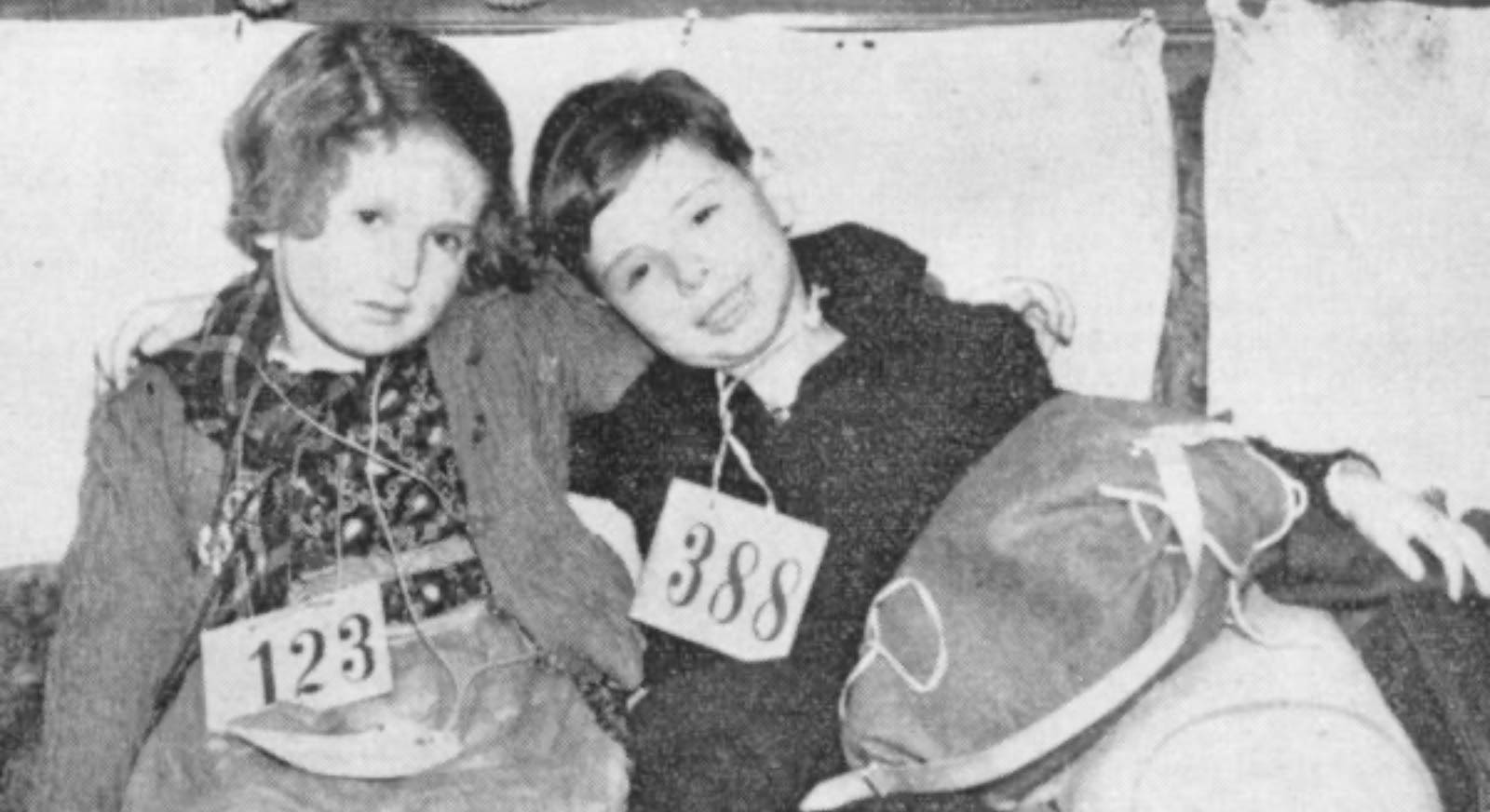
This collection illuminates the experiences of children rescued by the Kindertransport. The Kindertransport was a rescue effort between 1938 and 1939 that brought around 10,000 mostly Jewish children from Nazi-controlled territories to safety in Britain after the rise of Nazi persecution.
27
Members over 100 years of age
+300
Holocaust testimony videos
4
Visits from the King to the AJR
“It was so interesting and incredibly useful listening to Holocaust educators from around the world — sharing ideas, challenges, and new ways to reach the next generation in what is now a very different time and world. The insights and conversations have reinforced just how vital it is that we continue to adapt, learn, and find new ways to ensure the lessons of the past remain alive and relevant.”
“Thank you for visiting us yesterday. We thought the meeting went brilliantly. We are so lucky to have a social worker as gentle, understanding and caring as you. We really appreciate all the support and advice you give us.”
“Thank you so much for putting on such an amazing event. I’ve found documents about my grandparents that I hadn’t seen before, including my Dad’s name on a Kindertransport list. I can’t tell you how much it means to me and my family and thank everyone at AJR for all you do.”
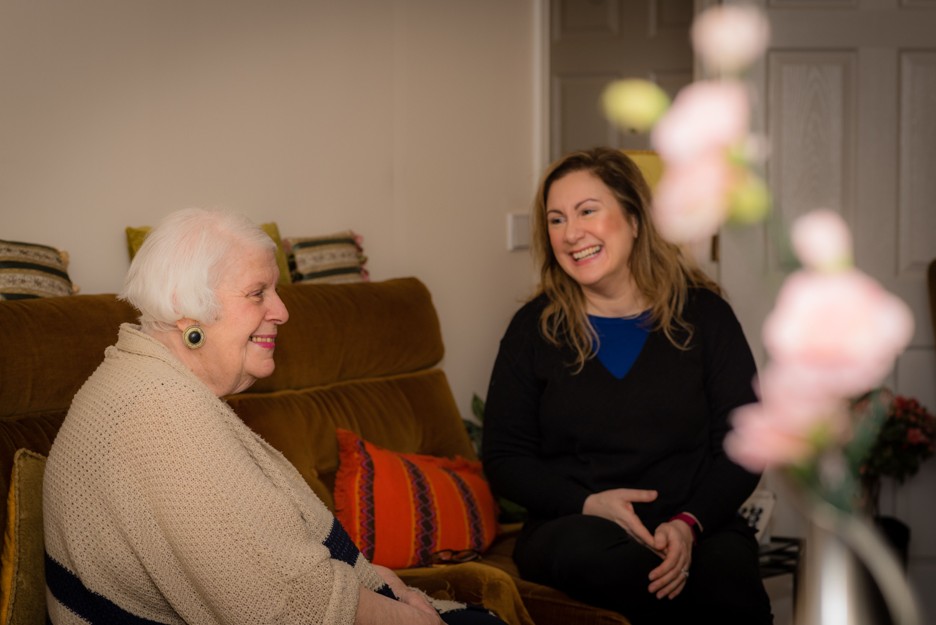
"My client arrived on the Kindertransport as a small child. Her husband passed away many years ago, and she does not have children. I visit her each week and we talk about current affairs over coffee and cake, and quite often we go out for lunch together. She recently told me that she had forgotten that I was her volunteer and referred to me as her friend! That’s why I love being a volunteer for AJR."
1,857
AJR Members of whom +600 are 1st generation, of which 30 are over 100 years old
+£8m
Directly allocated to members for homecare and other support services
69,599
Minutes of face-to-face volunteer support in the last 12 months
Join AJEX for special Ceremony in the 20th Anniversary Year of the dedication of the National Jewish Memorial.
WG Sebald: The only post-war German writer who truly grappled with the Holocaust
Using the Internet as a Research Tool
15 June 2026
The Association of Jewish Refugees (AJR) has successfully
13 June 2026
The Association of Jewish Refugees (AJR) is delighted
12 June 2026
The Association of Jewish Refugees (AJR) will bring
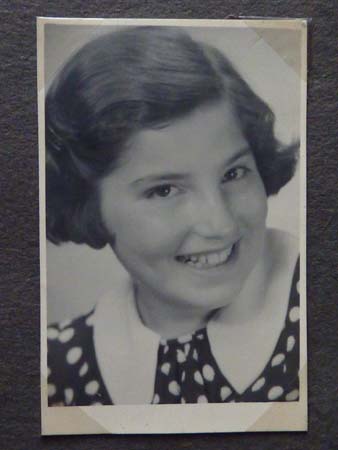
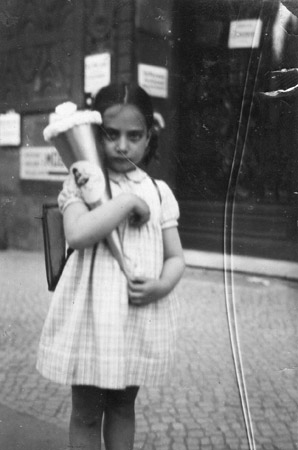
Anita was born in 1928 in Berlin, Germany. She was ten when she witnessed the Gestapo arrest a Polish-Jewish couple seeking shelter in her family’s flat. In July 1939, just six weeks before the outbreak of the Second World War, Anita and her parents secured visas and escaped to England. While her father was later interned on the Isle of Man and subsequently served in the British Pioneer Corps, Anita survived the Blitz in Surrey and London. After the war, she built a long-term career within the British civil service, working for the CID at Scotland Yard and Hendon Police College. Anita eventually settled in Radlett, close to her son, grandchildren, and great-grandchildren.
Read Anita’s full story in the My Story section on the AJR website.
“Nobody ever told me exactly what happened.”
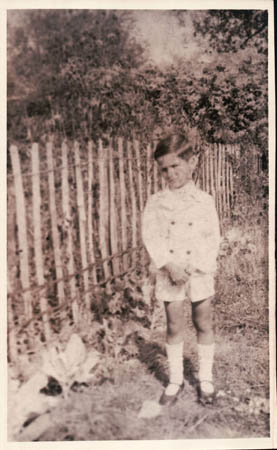
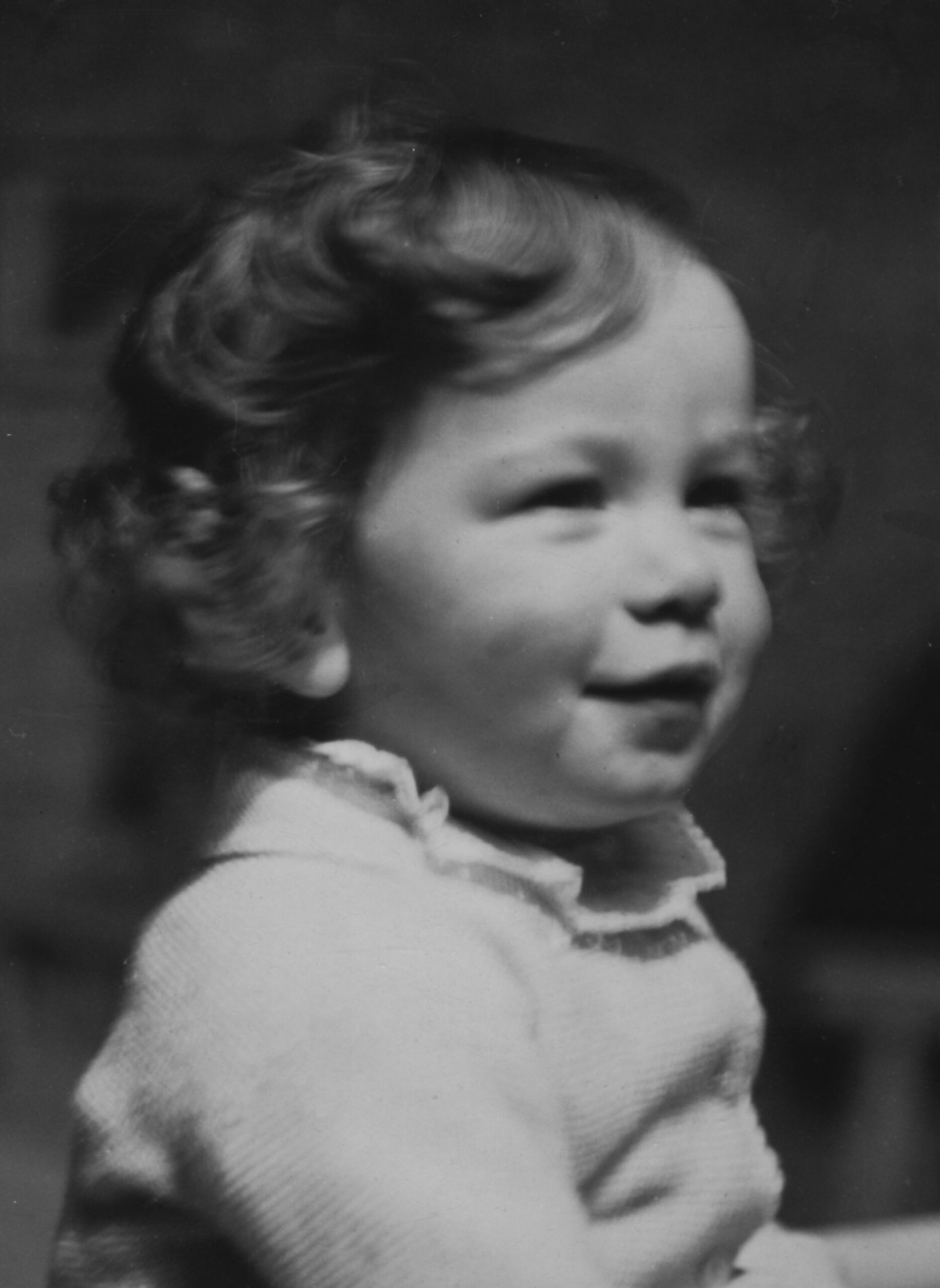
Born in France as Anne Marie (known in England as Annick), she was only two months old when her family was arrested on January 31, 1944. Taken first to a converted prison in La Rochelle, her family was ultimately deported on Convoy 68 in February 1944.
Annick’s survival relies entirely on a miraculous act of bravery. She and her cousin were smuggled out of the prison by individuals who risked their lives to save them. Too young to remember the events, Annick spent her childhood piecing her history together by listening to the stories adults whispered while she pretended to be asleep.
In the Holocaust Galleries’ Kindertransport section, one small object carries the weight of an extraordinary journey. Dr Amy Williams reflects on the item that stands out most to her - a reminder that behind every document, suitcase and keepsake was a child separated from home, family and certainty.
“And they had the papers…”
Ruth Posner, a Holocaust survivor born in Warsaw in 1929, finally learns the specific details of her parents’ deaths in Treblinka and reflects on the empathy of the German researchers who helped her.
Huge congratulations to Alex Maws, Head of Education & Heritage at the AJR, who has been awarded an MBE in the King’s Birthday Honours for Services to Holocaust Education!
For over two decades, Alex has been a driving force in shaping how the history of the Holocaust is taught, understood, and remembered. From pioneering the digital UK Holocaust Map to hosting the Kindertransport podcast and leading vital international conferences, his dedication ensures that survivors’ stories continue to educate and inspire future generations. As Alex shared, “As a naturalised British citizen, I know firsthand how incredibly welcoming our country has the capacity to be, but my work to preserve the memory of the Holocaust reminds me that kindness towards the stranger can never be taken for granted.
My own great-grandfather was murdered by the Nazis, so the significance of receiving this incredible honour amidst a backdrop of rising Holocaust denial and antisemitism is not lost on me. I hope that this announcement can, in some small way, shine a light on the crucial work carried out by our dedicated team at the AJR and by so many other treasured colleagues across the Holocaust remembrance sector.” We couldn’t be prouder of this richly deserved recognition!
“It was very little food we were just happy to get anything we could get”
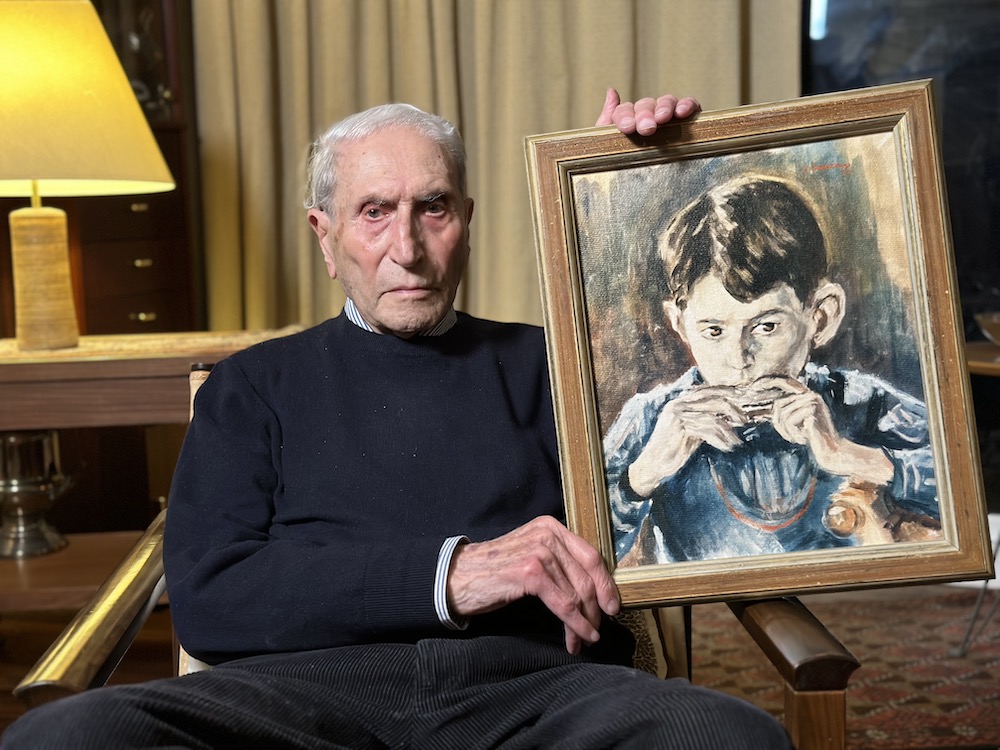
Holocaust survivor, Mala Tribich joins chef Falmer to create an Apple Strudel. As they bake together, Mala shares memories, stories of resilience, and the importance of preserving Holocaust testimony for future generations. A powerful conversation woven through a traditional recipe, reminding us how food can connect us to history, heritage, and one another.
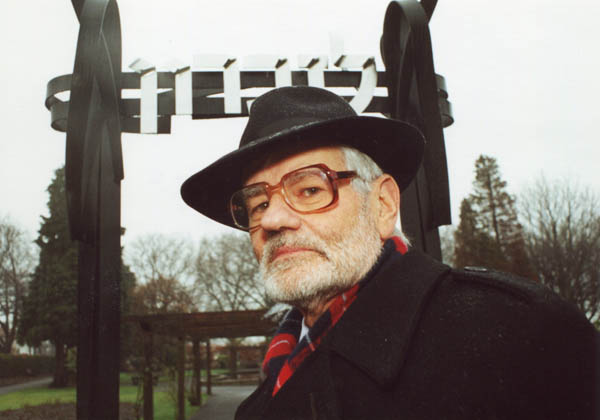
The Memorial to the Martyrs of Deportation stands outside the former Drancy Internment Camp, located just north of Paris. As the main transit point for French Jews between 1941 and 1944, more than 63,000 people were imprisoned here before being deported to Nazi concentration and extermination camps, primarily Auschwitz-Birkenau.
The powerful sculpture by Holocaust survivor Shlomo Selinger, alongside the preserved railway tracks, serves as a solemn monument to those who suffered and the thousands who never returned.
Their stories and memories live on. We remember them.
Rescue was rarely a swift process. It was a labyrinth of paperwork, medical checks and agonising delays, all documented in the archives of the era.
Two letters from late 1938 regarding Otto Lichtenstein reveal the frantic logistics of the Kindertransport. To secure a place, Otto’s family had to coordinate photos and medical records with committees in Berlin, only to face a heart-wrenching delay that pushed his departure to mid-December.
These records highlight the immense effort and the many ‘what ifs’ that defined the mission. They remind us that behind every successful rescue was a complex web of hope and a desperate race against time.
The AJR is home to the UK’s largest community of Holocaust refugees and their descendants, welcoming anyone with a connection to – or interest in – this history, from researchers to those committed to remembrance and education.
By supporting the AJR, you help preserve the legacy of Holocaust refugees and survivors and ensure future generations learn from their stories. Through funding Holocaust education, combating antisemitism, and supporting our research, AJR plays a vital role in keeping this history alive.